How Coral Islets Form — And Why San Blas Stands Apart in the Caribbean
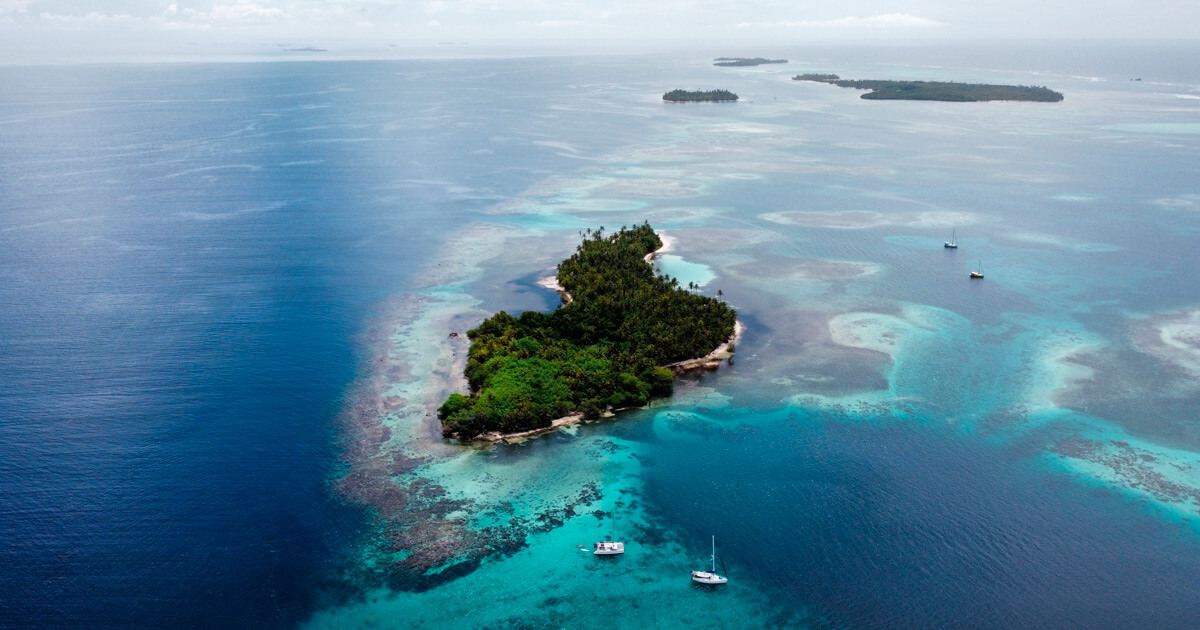
Guna Yala (San Blas), Panama.
Far from big cities and mass tourism, the San Blas archipelago (Guna Yala) offers a rare kind of Caribbean landscape: hundreds of tiny coral islets, white-sand beaches, living reefs and turquoise waters that still feel untouched. But how do these islands form — and what makes San Blas so different from other tropical destinations?
Born from the reef, not from volcanoes
Unlike volcanic or continental islands, coral islets are built by the ocean itself.
It all starts underwater. Coral — a living organism — grows in warm, shallow, clean waters. Over thousands of years, reefs expand and create massive limestone structures. Broken coral, shells and fine white sand slowly pile up on top of those reefs until they rise above sea level, forming small, flat islands.
That’s why many San Blas islets are:
- Low-lying and compact
- Surrounded by visible coral reefs
- Covered in bright white sand
- Constantly reshaped by tides and currents
These islands are not fixed — they’re alive, always evolving.
San Blas: over 360 islands shaped by the sea
Located on Panama’s Caribbean coast, San Blas is made up of more than 360 islands and islets, many of them coral-based. This concentration makes it one of the largest and best-preserved coral archipelagos in the region.
With no mountains and very limited development, nature stays in control here. The reefs, the sea and marine life define the landscape — not concrete or high-rise hotels.
A fragile ecosystem that needs protection
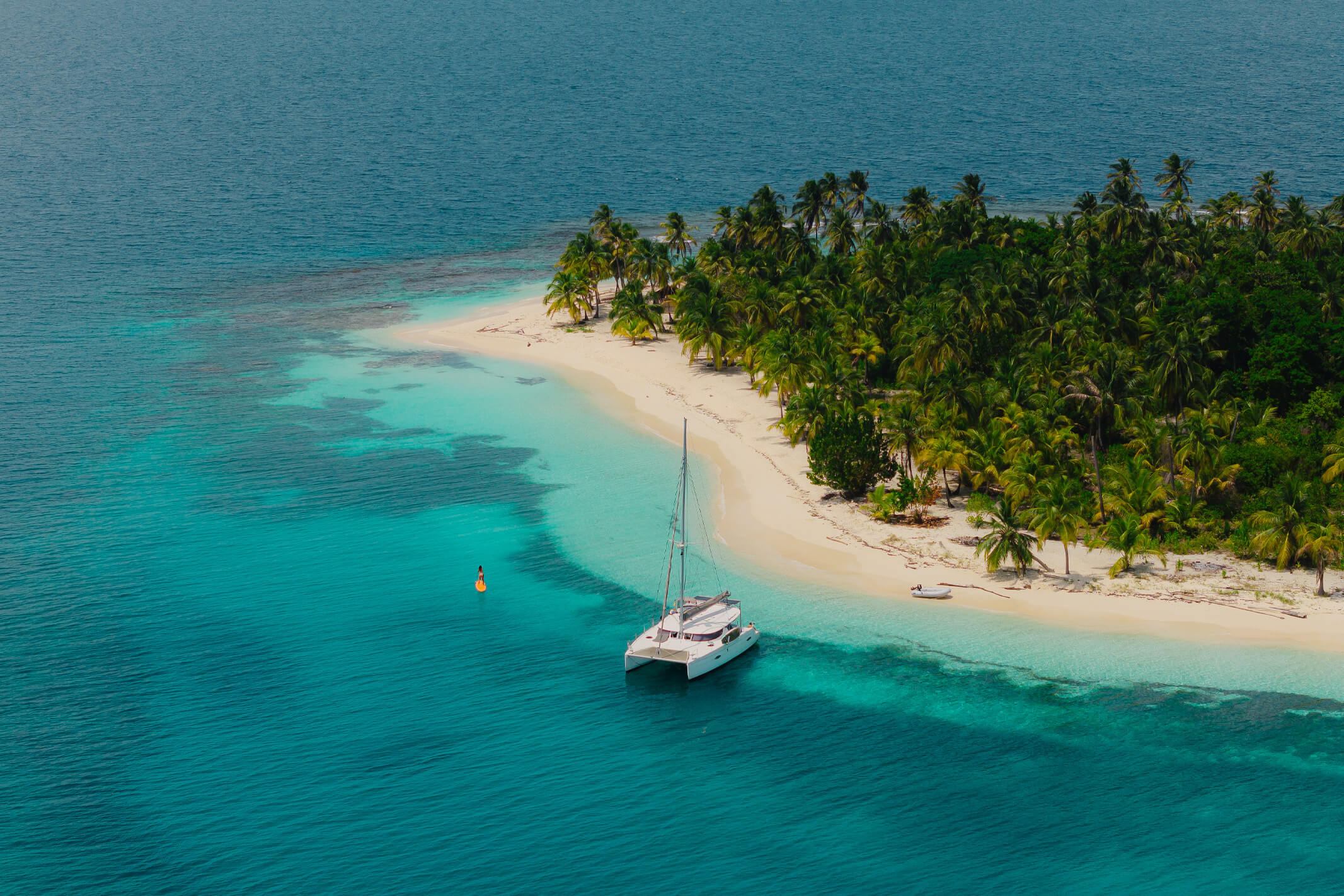
Coral islets may look tough, but they’re incredibly delicate. Their survival depends on the health of the surrounding reefs.
In San Blas, coral reefs:
- Protect the islands from erosion
- Support a rich marine ecosystem
- Keep the water clear and vibrant
That’s why San Blas is increasingly seen as a key destination for nature-focused and low-impact travel.
What really makes San Blas different: Guna Yala
One major reason San Blas still feels untouched is that it lies within the autonomous Indigenous territory of the Guna people.
Tourism here is intentionally small-scale. There are no mega-resorts, no cruise ports, no mass infrastructure. This approach has helped preserve:
- The natural look of the islands
- A slower, more relaxed rhythm of life
- A respectful balance between visitors and nature
For travelers looking to unplug and experience something real, this makes all the difference.
Experiencing coral islets from the water
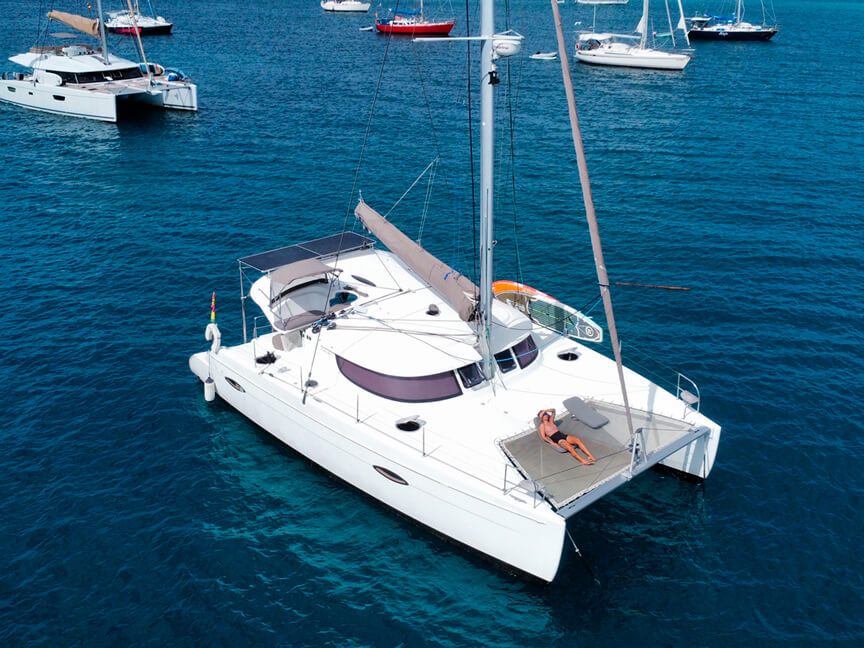
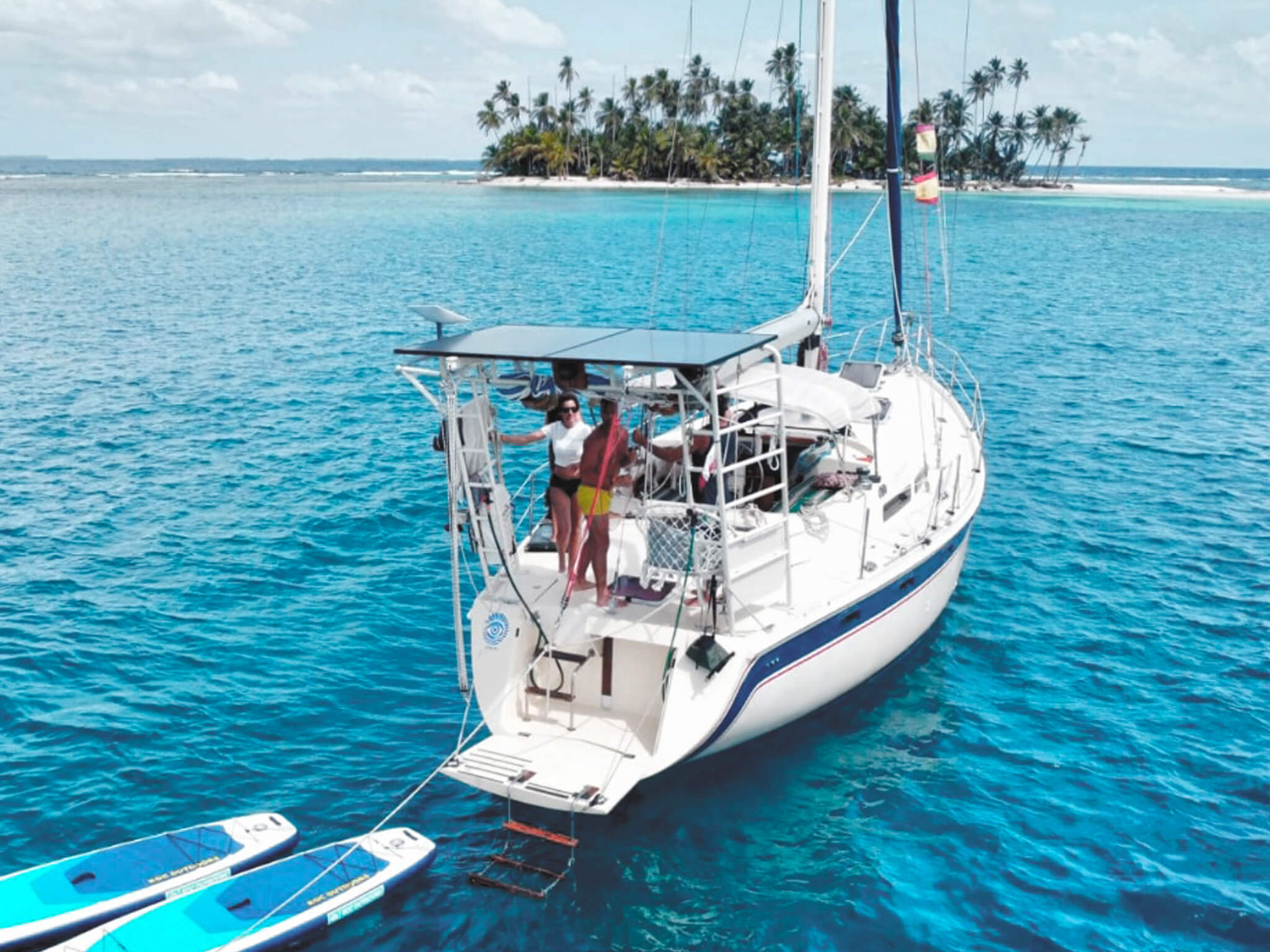
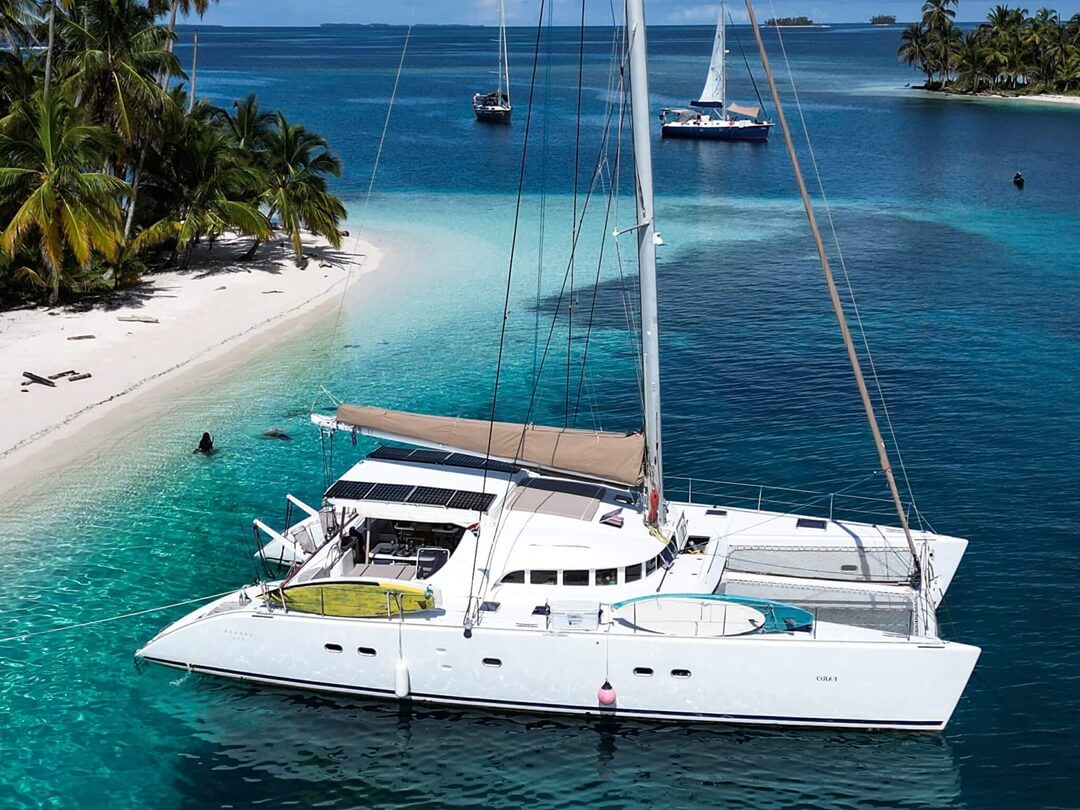
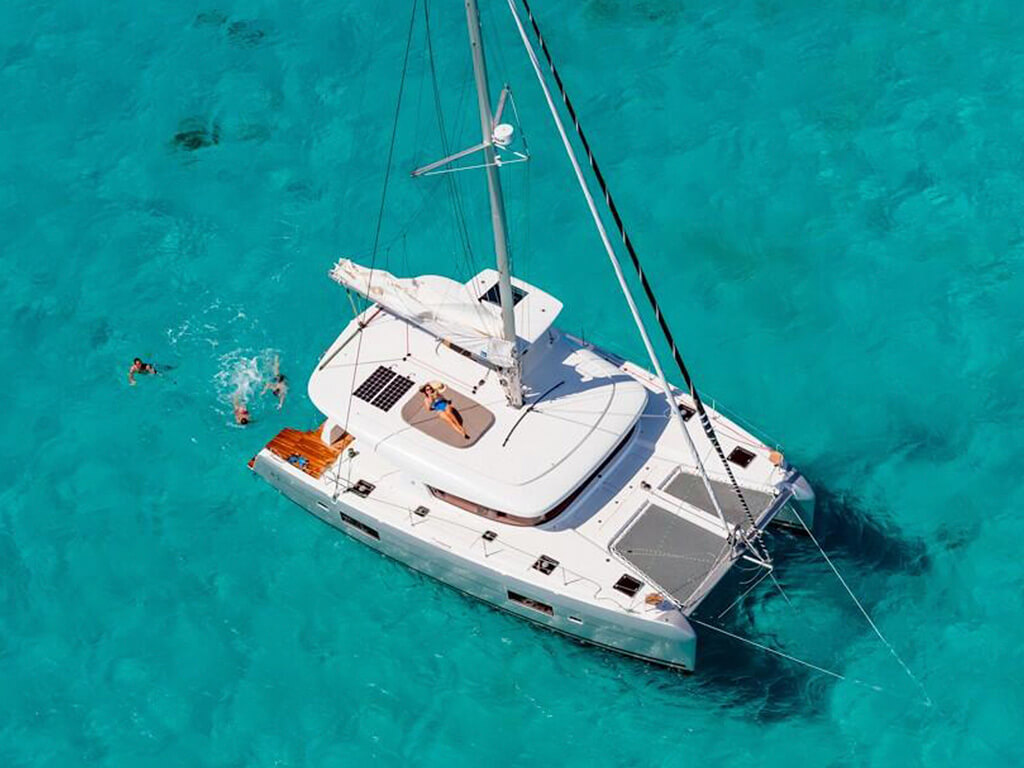
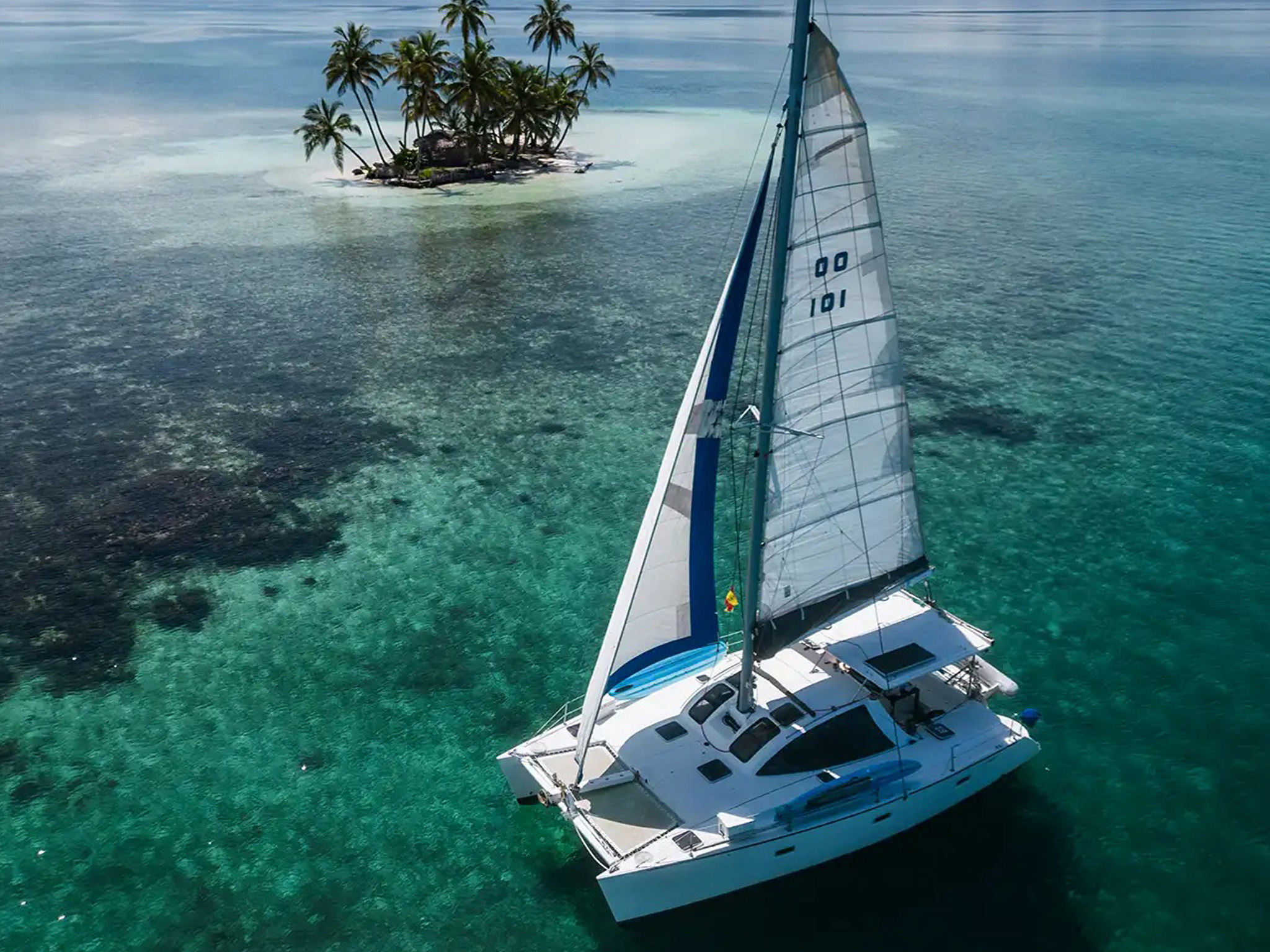
Exploring San Blas by sailboat or catamaran offers a front-row seat to how coral islets actually work. Reefs glow beneath the surface, sandbanks appear out of nowhere, and islands seem to float on the sea.
Sleeping at anchor, waking up to nothing but ocean sounds, and moving with the weather instead of a tight schedule fits perfectly with today’s travel trends: slow travel, digital detox and true relaxation.
A natural treasure worth protecting
The coral islets of San Blas aren’t just postcard-perfect beaches. They’re living formations shaped over thousands of years by the sea itself.
Understanding how they form helps explain why San Blas is one of the Caribbean’s most unique destinations — and why protecting it matters now more than ever.
--