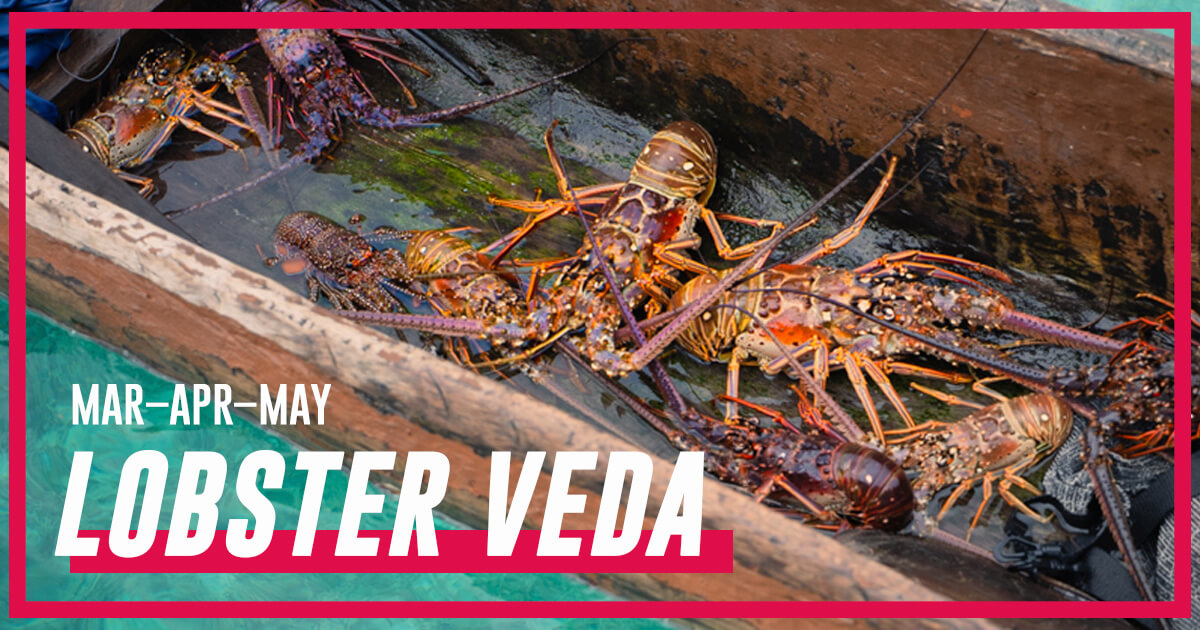
Lobster closed season
in Guna Yala, Panama

The lobster closed season in Guna Yala, Panama, is often easy to overlook.
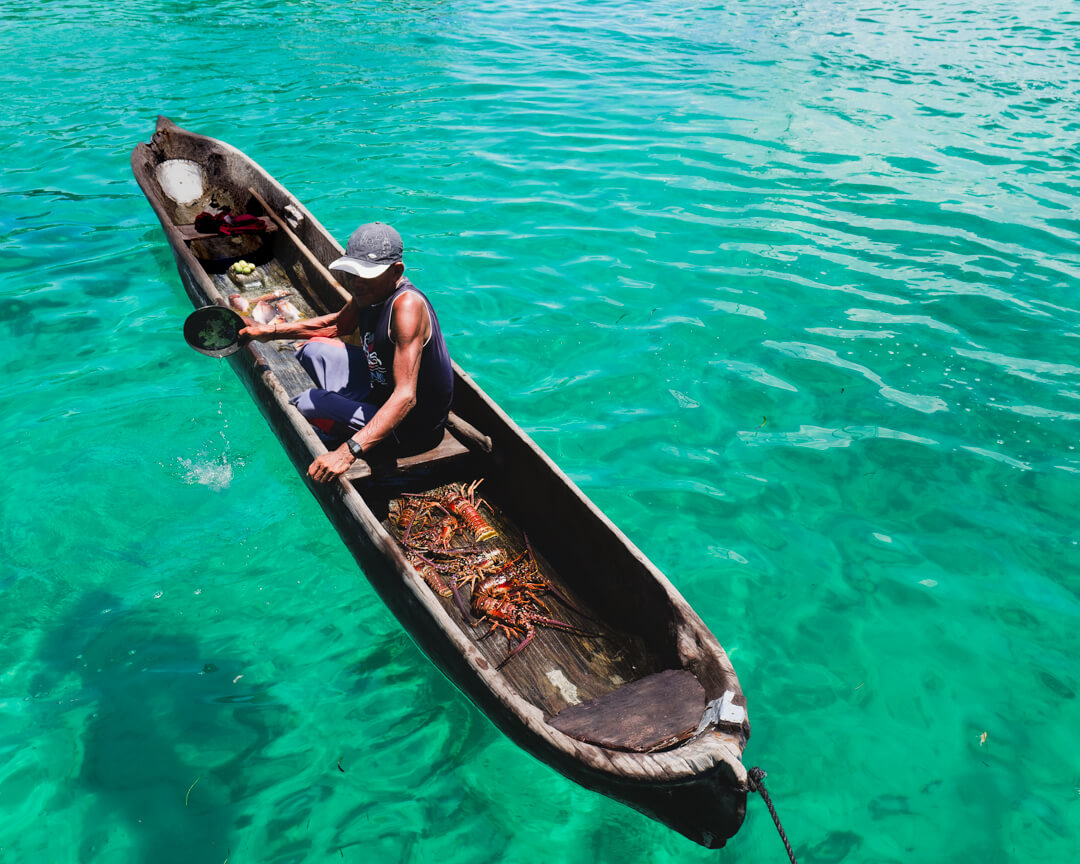
A small wooden boat pulls up next to the anchorage just before sunset. A fisherman lifts a few lobsters out of a bucket. Someone on a sailboat asks the price. There’s a short pause — just enough to know this isn’t exactly supposed to happen — and then the negotiation starts.
This is how lobster is still sold during the closed season in parts of the Caribbean.
For most visitors, it feels like a small, harmless moment. But repeated across Guna Yala, it creates real pressure on both the marine ecosystem and local communities.
When is lobster closed season in Panama
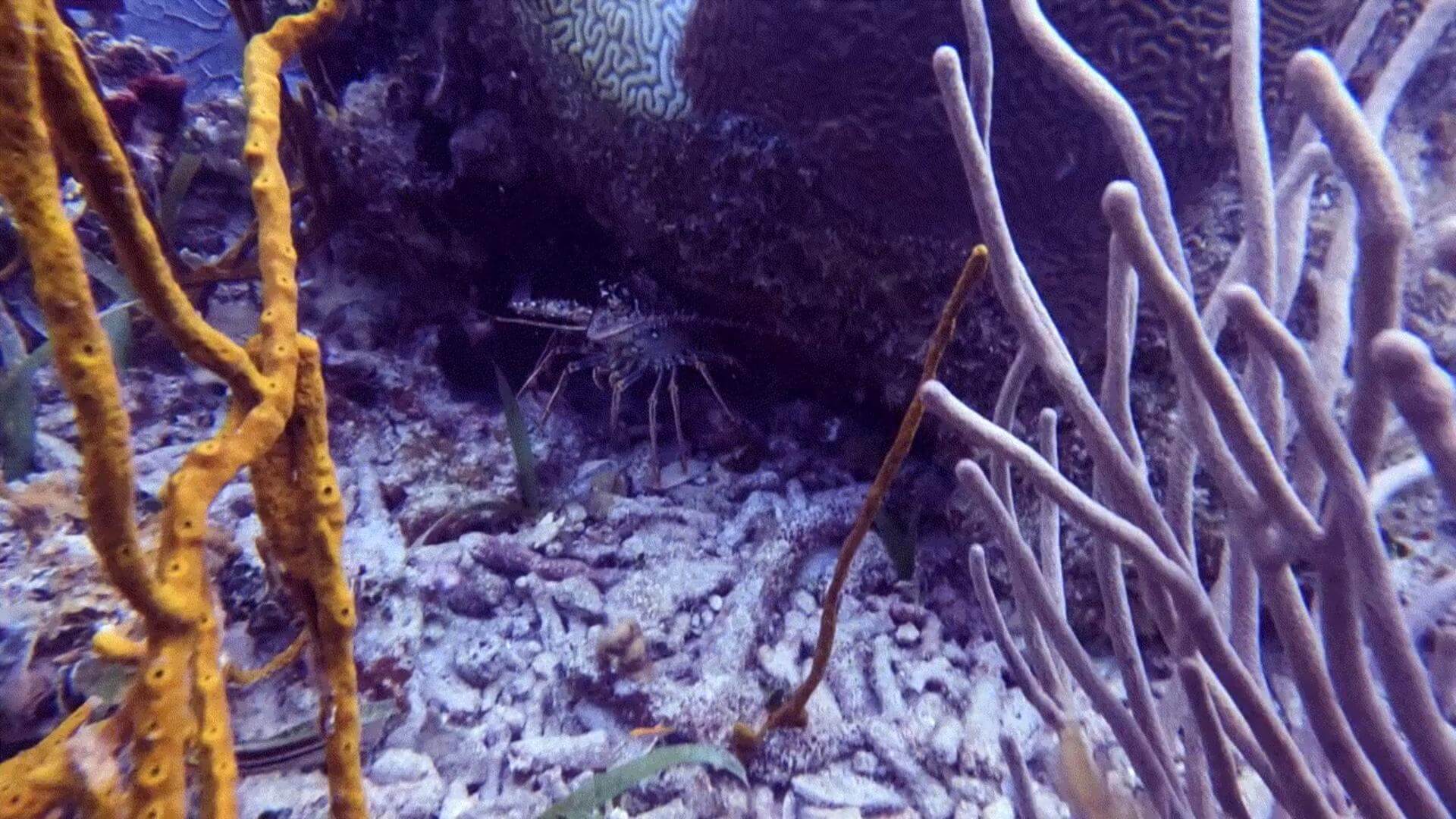
In Panama, the lobster closed season runs from March 1 through June 30.
This period protects the reproductive cycle of Caribbean spiny lobster.
During the lobster closed season:
- Females release hundreds of thousands of eggs
- Mating activity increases
- Lobsters become easier to catch
Catching lobster during this time directly affects future populations.
Why buying lobster during the closed season matters
In Guna Yala, it’s common to hear that buying one lobster during the closed season doesn’t make a difference.
But the impact is not about a single purchase.
Larger lobsters — especially mature males — play a key role in reproduction. Removing them too early reduces the ability of the population to sustain itself.
More importantly, the lobster closed season is affected by repetition. When many visitors make the same decision, even small actions add up quickly.
Minimum size and illegal lobster in Panama
Panama enforces a minimum legal size for lobster catch.
However, much of the lobster sold during the closed season in Guna Yala is undersized or not fully mature.
This increases pressure on the species by removing individuals before they contribute to reproduction.
Lobster fishing pressure in the Caribbean
Across the Caribbean, lobster populations have already been affected by overfishing and weak enforcement during closed seasons.
- Smaller average lobster size
- Fewer adult lobsters
- Declining fisheries
These patterns show what can happen when the lobster closed season is not respected.
How the lobster closed season affects local fishermen
During the lobster closed season in Panama, many local fishermen stop targeting lobster.
This means losing one of their main sources of income for several months.
When tourists continue to buy lobster during this time, it creates pressure to keep fishing despite the ban.
This leads to a cycle:
- Reduced legal income
- Increased illegal fishing
- More pressure on lobster populations
Respecting the lobster closed season also supports more sustainable livelihoods.
The role of tourism in Guna Yala
Tourism plays a growing role in Guna Yala.
Decisions made by visitors directly influence local fishing practices.
Buying lobster during the closed season in Guna Yala increases demand and encourages continued extraction.
Choosing not to buy has the opposite effect.
Conclusion: why the lobster closed season matters
The lobster closed season in Guna Yala, Panama, is not just a regulation.
It protects a biological cycle that sustains the species and the local economy.
What seems like a small decision — buying one lobster — becomes significant when repeated across an entire region.
Respecting the lobster closed season helps preserve both the ecosystem and the communities that depend on it.