
Snorkeling and coral reefs in Guna Yala
The first image most people have of Guna Yala is usually the same: white sand, palm trees, and turquoise water.
What many don't realize at first is that beneath that water lies an entire living reef system. The archipelago is surrounded by coral formations, sandy channels, and countless small forms of marine life that often go unnoticed until someone puts on a mask and enters the water for the first time.
And then the same thing usually happens. Someone says they're going in "just for a quick look" and ends up floating above the reef for nearly an hour.
That's what snorkeling in San Blas feels like. After a few days, it stops feeling like an activity and starts becoming part of everyday life onboard.
Coral reefs are present throughout much of the archipelago, and in many areas it only takes a short dinghy ride from the boat to reach shallow coral gardens, sandy channels, and clear water full of marine life.
The reason is simple: the islands themselves are closely connected to the reef. Much of the archipelago exists thanks to coral growth and the gradual accumulation of sand over these living structures. In fact, many of the tiny islands that today look like little sandbars covered with palm trees originally began as coral formations.
You don't need depth, previous experience, or complicated equipment to explore them.With a mask, fins, and a little curiosity, the reef quickly appears beneath the surface.
Seeing the archipelago from underwater
After a few days sailing through the archipelago, something begins to change.
You stop looking only at the islands and start paying attention to the water. Dark coral patches appear beneath the boat, sandy channels weave between reefs, and small movements catch your eye where, at first, you thought there was nothing to see.
That's when many people realize that San Blas is not just a collection of islands. It's an enormous living reef system.
And often, the best moments are the simplest ones. Floating quietly above the coral while the boat rests nearby, watching fish move through the reef below. In San Blas, snorkeling doesn't really feel like an excursion. After a few days onboard, it starts feeling like part of everyday life.
What you’ll find underwater
The reefs of San Blas are part of a vast Caribbean coral system, and the underwater landscape changes constantly from one area to another. You might find brain coral, elkhorn and staghorn coral, barrel sponges, schools of parrotfish, angelfish, rays, and countless smaller forms of marine life hidden among the reef.
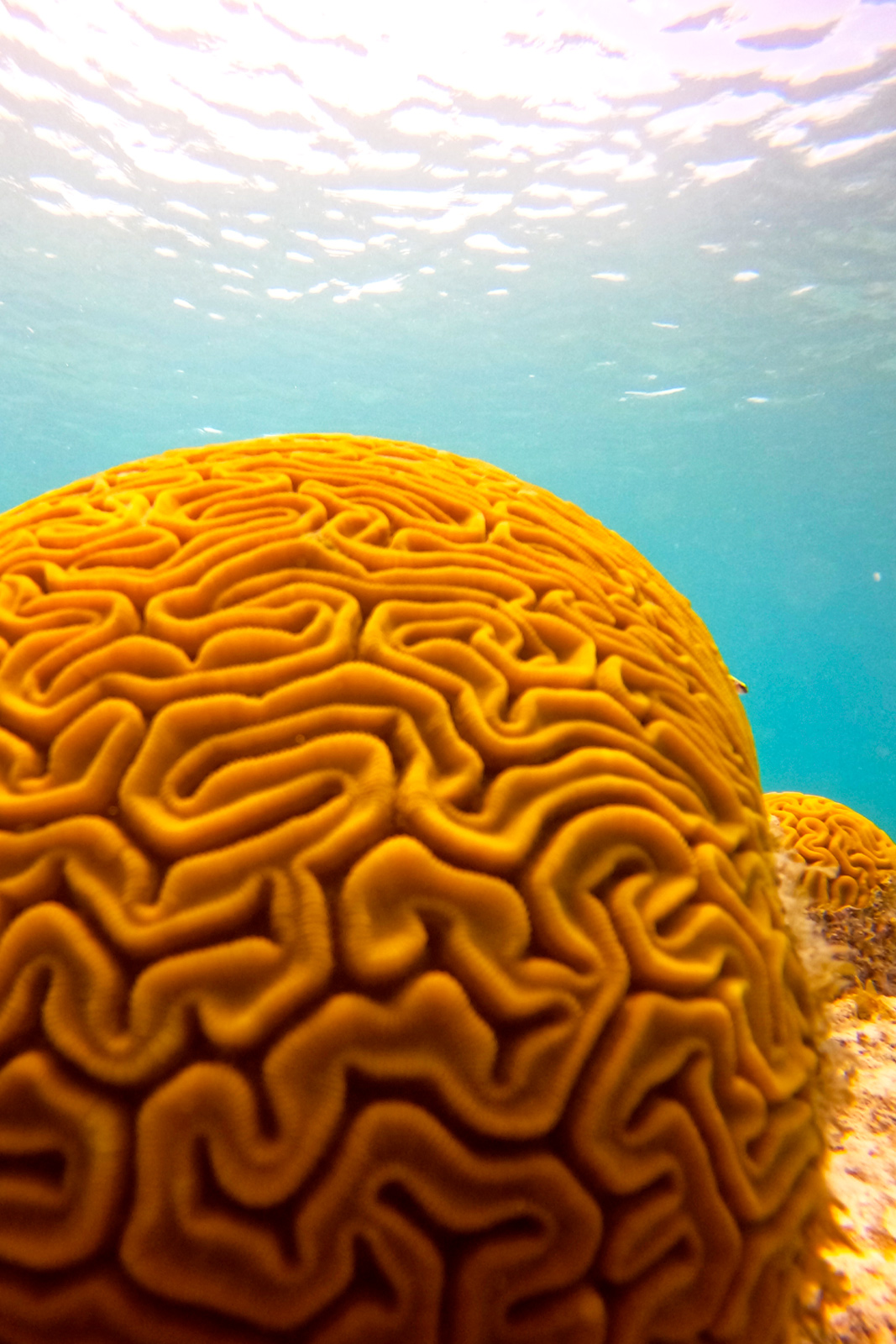
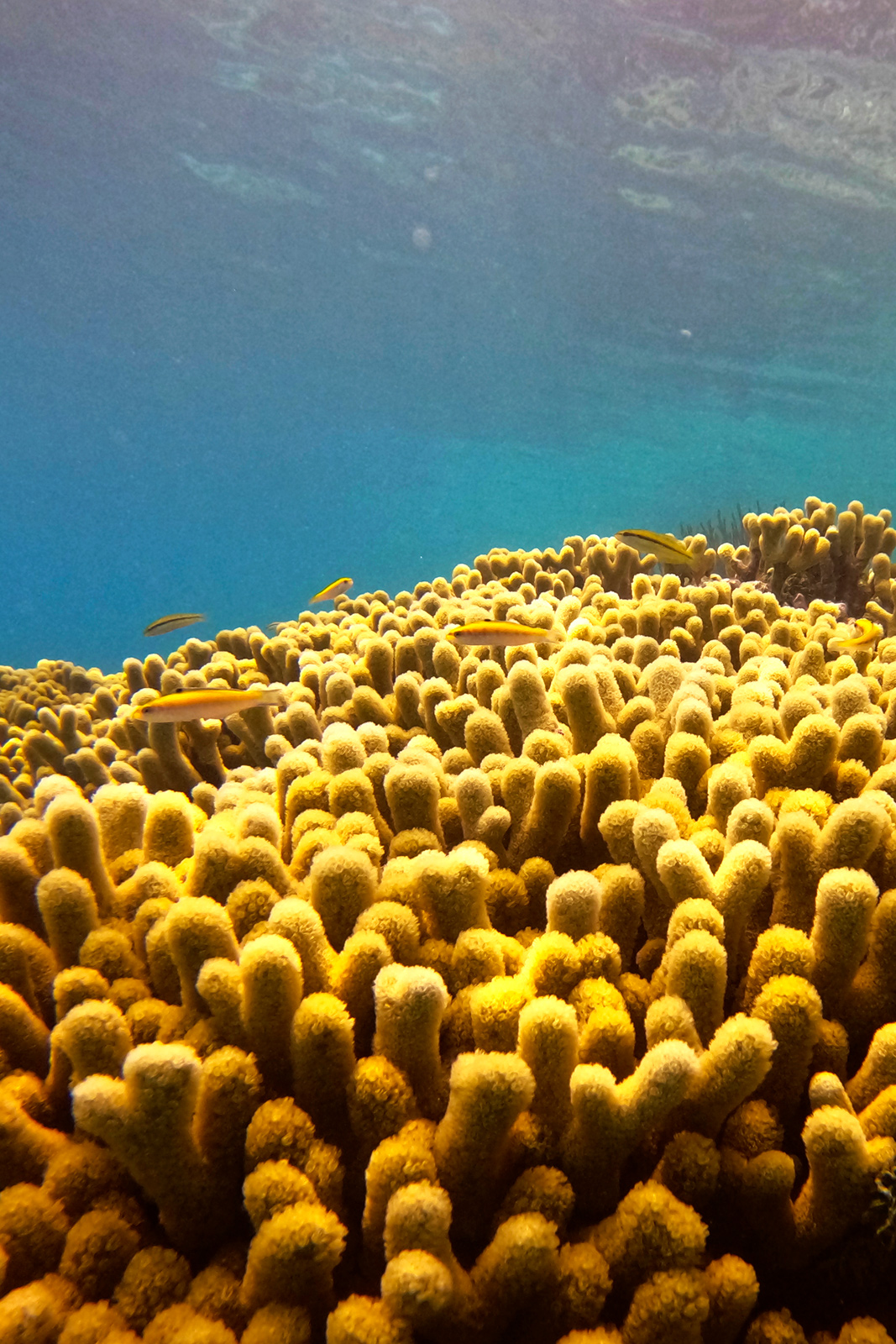
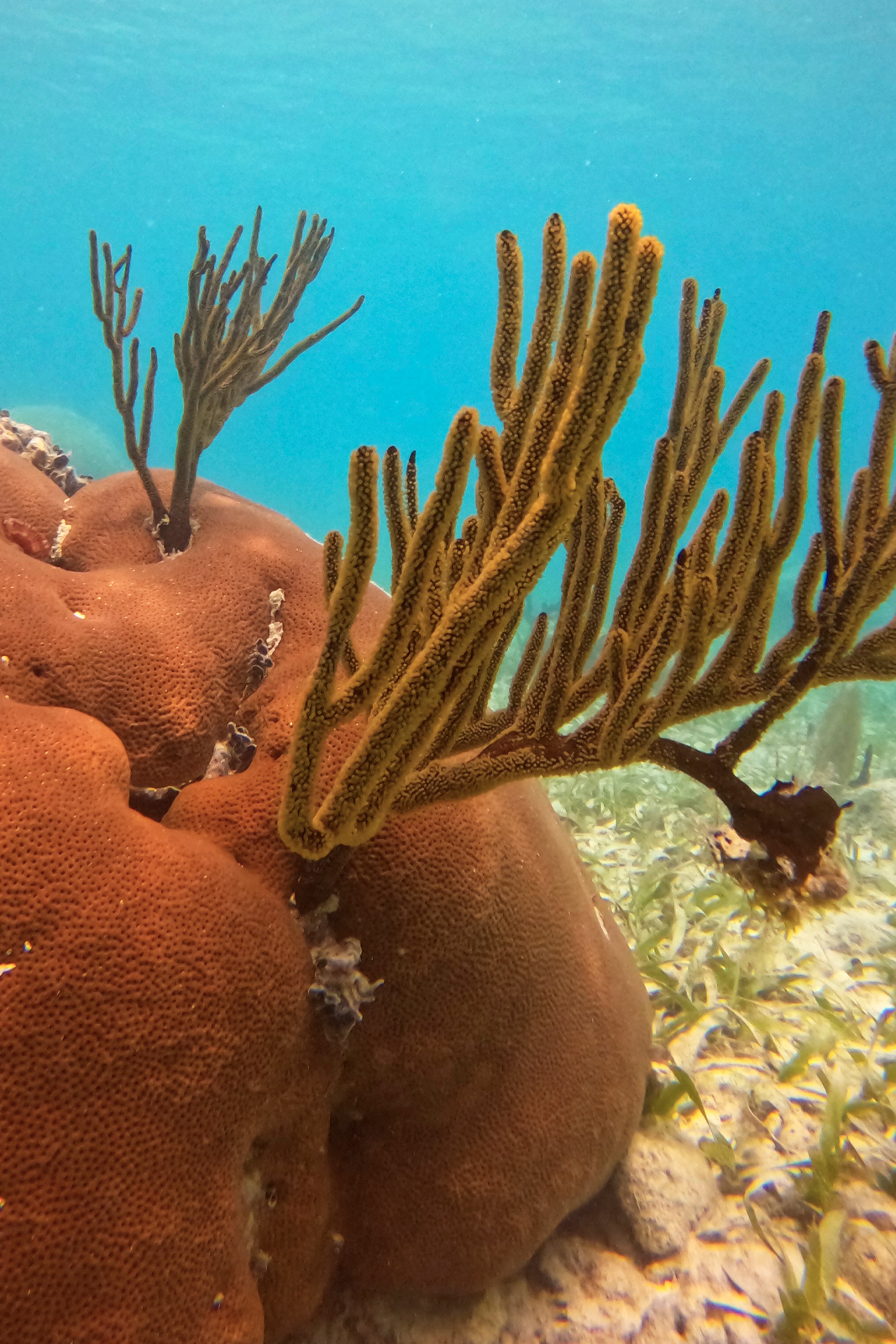
Sometimes large groups of fish move together across sandy areas. Other times the reef seems almost empty until you slow down, stop moving for a moment, and begin noticing details everywhere. That's something many people become fascinated by here: the slower you look, the more you discover.
One thing that surprises many visitors is that scuba diving is generally not allowed in Guna Yala. Snorkeling is the main way people explore the reefs, and after living aboard here for many years, we feel that limitation has helped reduce pressure on some of the coral areas compared with other Caribbean destinations.
Light, colors, and conditions throughout the year
One of the things that changes the snorkeling experience most in San Blas is the light.
Some days the sky is completely clear and the water seems almost illuminated from below, making coral formations, fish, and sandy bottoms visible from the surface. On other days, clouds gather along the horizon and the constantly changing light gives the reef deeper colors and a completely different atmosphere.
Many travelers imagine a gray rainy season, but the reality often surprises them. Even during the wetter months, there is still plenty of sunshine and many completely clear days. Rain usually arrives as short tropical showers, often during the night or early morning.
That's one of the reasons snorkeling can be enjoyed throughout the year. The water remains warm, the reefs stay easily accessible, and the tropical climate creates subtle changes in visibility, colors, and light that make every day on the reef feel a little different.
Our favorite snorkeling spots
Snorkeling is something we do all the time, and Nico in particular is always looking for a reason to jump into the water. If there's a reef nearby, chances are he's already explored it.
After years sailing through Guna Yala, he's built a kind of mental map of favorite places: small coral gardens, reef edges, and sandy channels where rays, schools of fish, and other marine life often appear. And that's actually very common among captains who have spent years navigating these waters. Over time, everyone develops their own favorite spots, places that rarely appear on maps but become well known among local crews.
Sometimes we even choose an anchorage because we know there's an especially beautiful reef nearby for the following morning.
The boats we work with are part of a small network of captains and crews we know personally. Most have spent years sailing in San Blas, and that local knowledge makes a huge difference when it comes to finding quiet anchorages, healthy reefs, and some of the best snorkeling areas in the archipelago.
Responsible snorkeling in Guna Yala
One of the reasons many reefs in San Blas still feel so healthy is that tourism remains relatively small-scale compared with other Caribbean destinations.
That doesn't mean the reefs don't need protection. Coral is fragile, and small actions can have a much bigger impact than most people realize. We always encourage guests to avoid touching or standing on coral, use reef-safe sunscreen or UV shirts whenever possible, avoid chasing marine life, keep plastic out of the water, and respect local Guna guidelines around swimming and reef areas.
Most of these habits are simple, but together they help preserve the reefs, marine life, and natural environment that make snorkeling in Guna Yala so special.
FAQs
Is snorkeling in San Blas worth it?
Yes. The reefs of San Blas offer warm water, shallow coral, and abundant marine life. In many areas, snorkeling spots are located just a short dinghy ride from the boat.
Do you need previous experience?
No. Most snorkeling spots are calm and beginner-friendly. You don’t need diving experience or technical equipment.
What marine life can you see?
It’s common to see parrotfish, angelfish, starfish, rays, and different Caribbean coral species. Every reef changes slightly depending on the area and the conditions of the day.
Can you scuba dive in Guna Yala?
Generally no. Scuba diving is restricted throughout much of Guna Yala, so snorkeling is the main way visitors explore the reefs.
What is the best time of year for snorkeling?
Snorkeling can be enjoyed year-round. Some periods have calmer seas while others have clearer skies, but warm temperatures and access to reefs remain consistent throughout the year.
Why do the reefs in San Blas feel different?
Because they’re part of a coral archipelago that remains relatively undeveloped for tourism. Many reefs are still located near tiny islands without major infrastructure, making the experience feel far more natural and peaceful than in many other Caribbean destinations.