
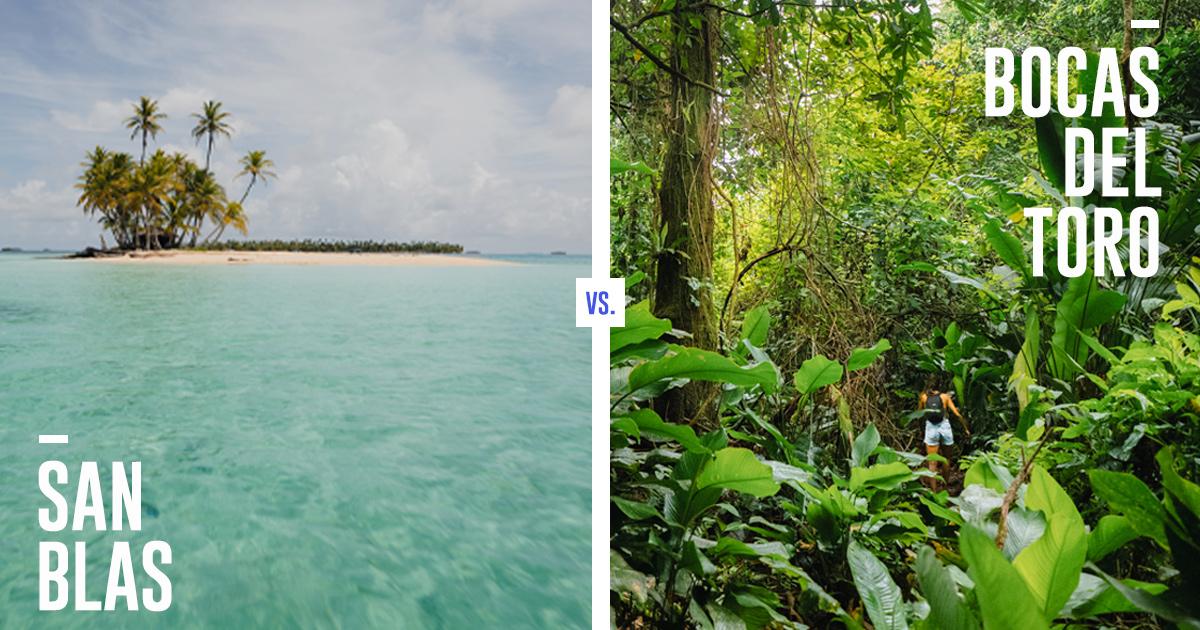
San Blas vs. Bocas del Toro in the rainy season
Looking at a broad weather map of Panama between May and November can be deeply misleading. While standard meteorological forecasts show dark rain clouds blanketed across the entire Caribbean coast, the reality we see in Guna Yala is completely different from what happens farther west in Bocas del Toro.
When travelers ask us if they should avoid the Panamanian Caribbean during the rainy season, our answer always comes back to geography. Panama’s Caribbean coastline is not one uniform weather zone. The high mountain ranges of the country create distinct microclimates, drastically altering how rain falls, how long it stays, and how it actually impacts your trip. Understanding these subtle natural patterns makes all the difference when planning your journey through the islands.
What we observe year after year: The geography of rain
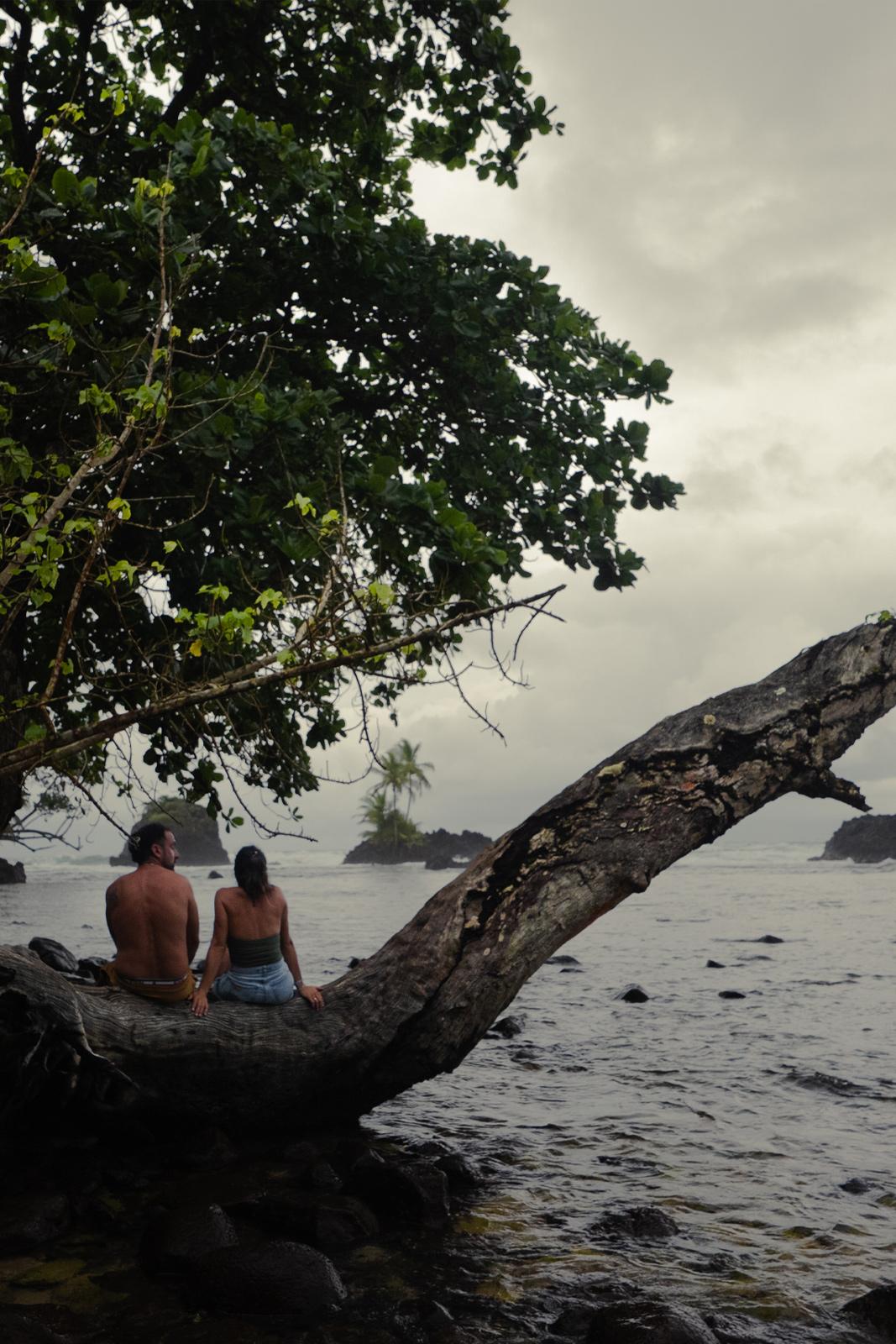
The main reason Bocas del Toro and San Blas behave so differently comes down to coastal topography and mountain heights. In Bocas del Toro, the massive mountains of the Cordillera Central sit right up against the coast. When moist Caribbean winds blow in, they hit these tall vertical walls and get pushed upward rapidly—a process known as orographic lift. This traps heavy clouds against the mountains, which is why Bocas frequently experiences continuous, multi-day downpours that can saturate the region for 48 hours straight.
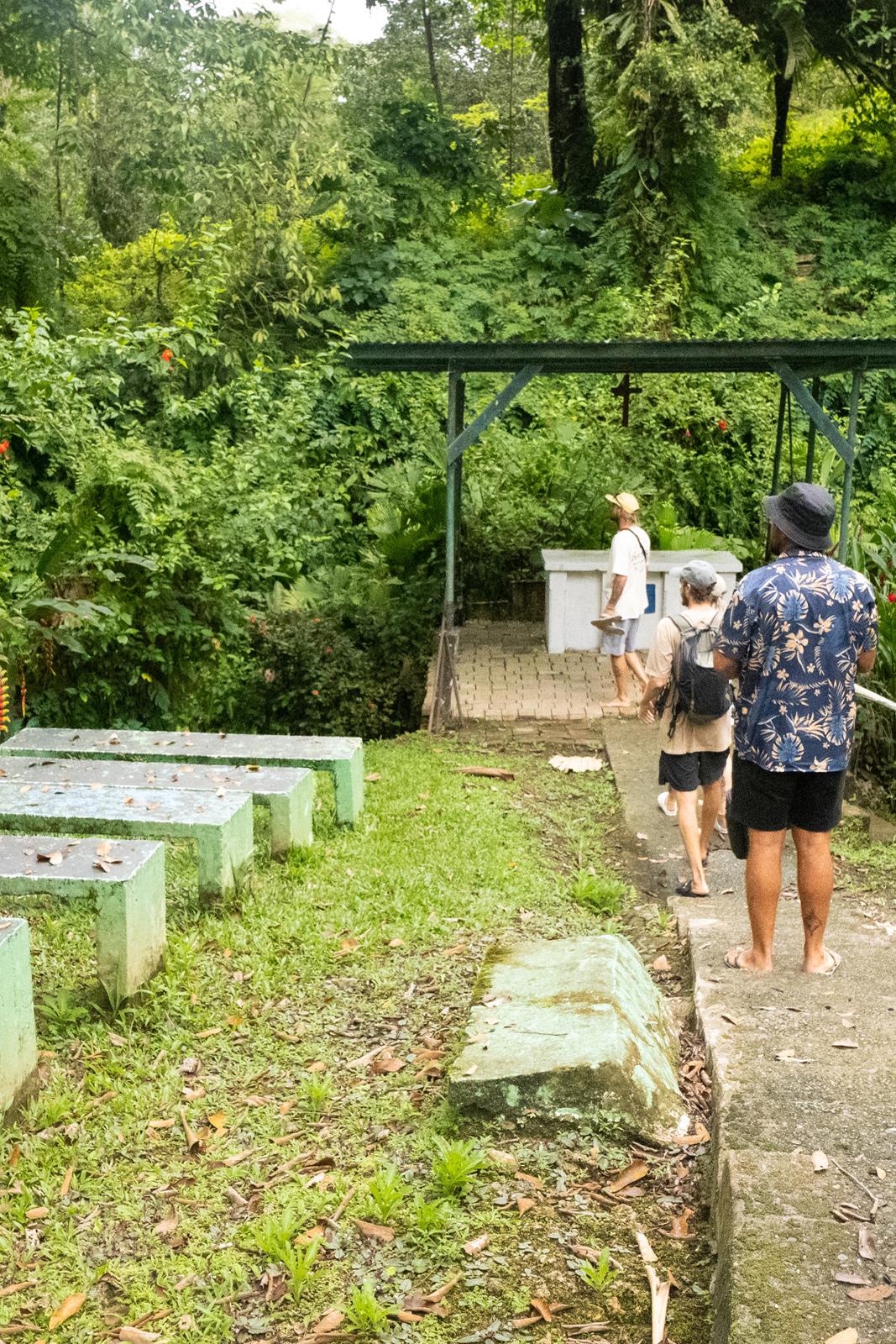
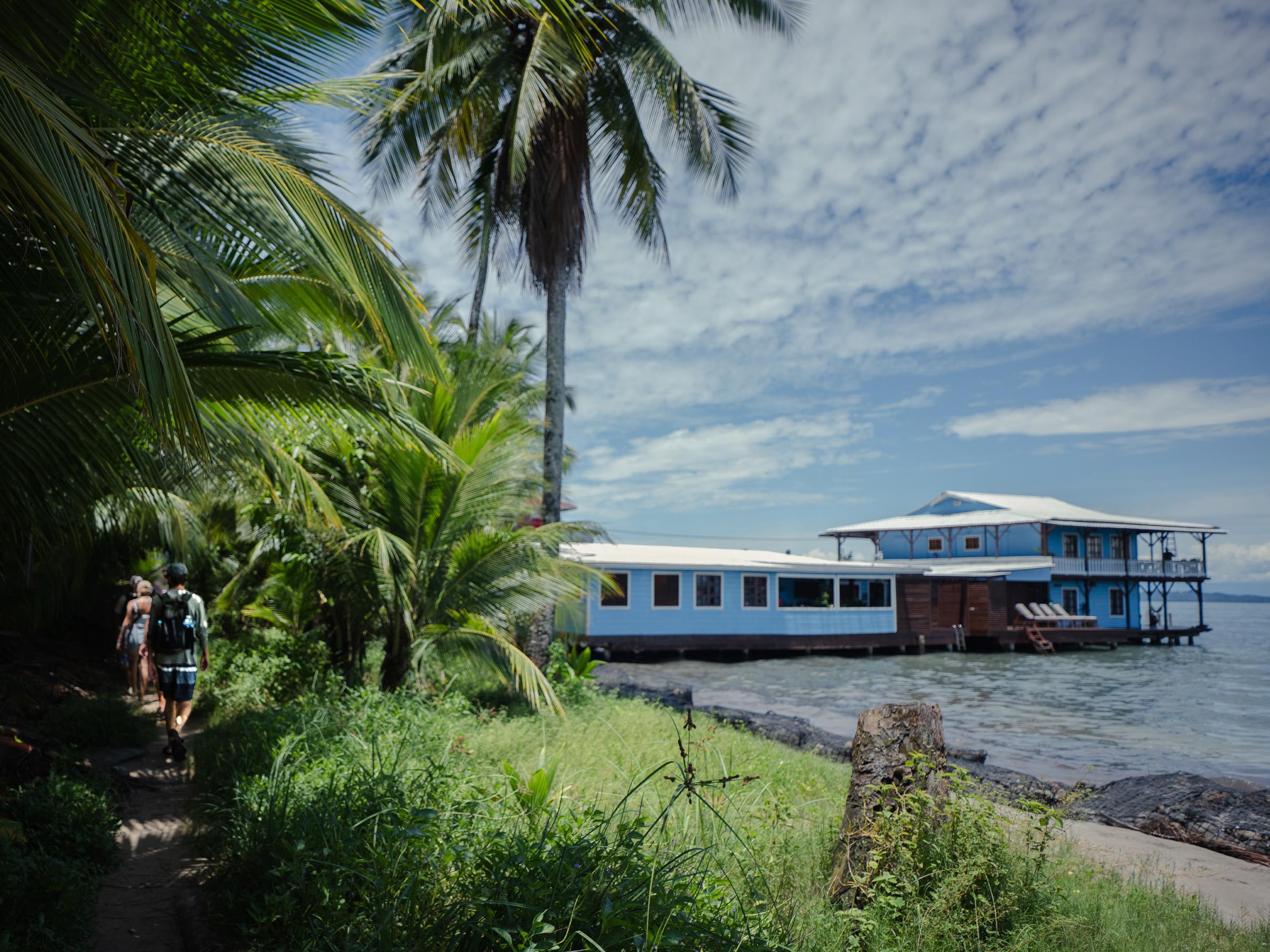
We actually spent time exploring Bocas del Toro ourselves during June, right in the heart of the rainy season. And yes, we definitely had our fair share of intense, heavy rain days! But because we stayed for a good length of time, we also got to experience the incredible sunny breaks between storms, exploring the lush rainforests, vibrant towns, and beautiful beaches. Bocas del Toro is without a doubt a fascinating, rich destination with its own unique charm.
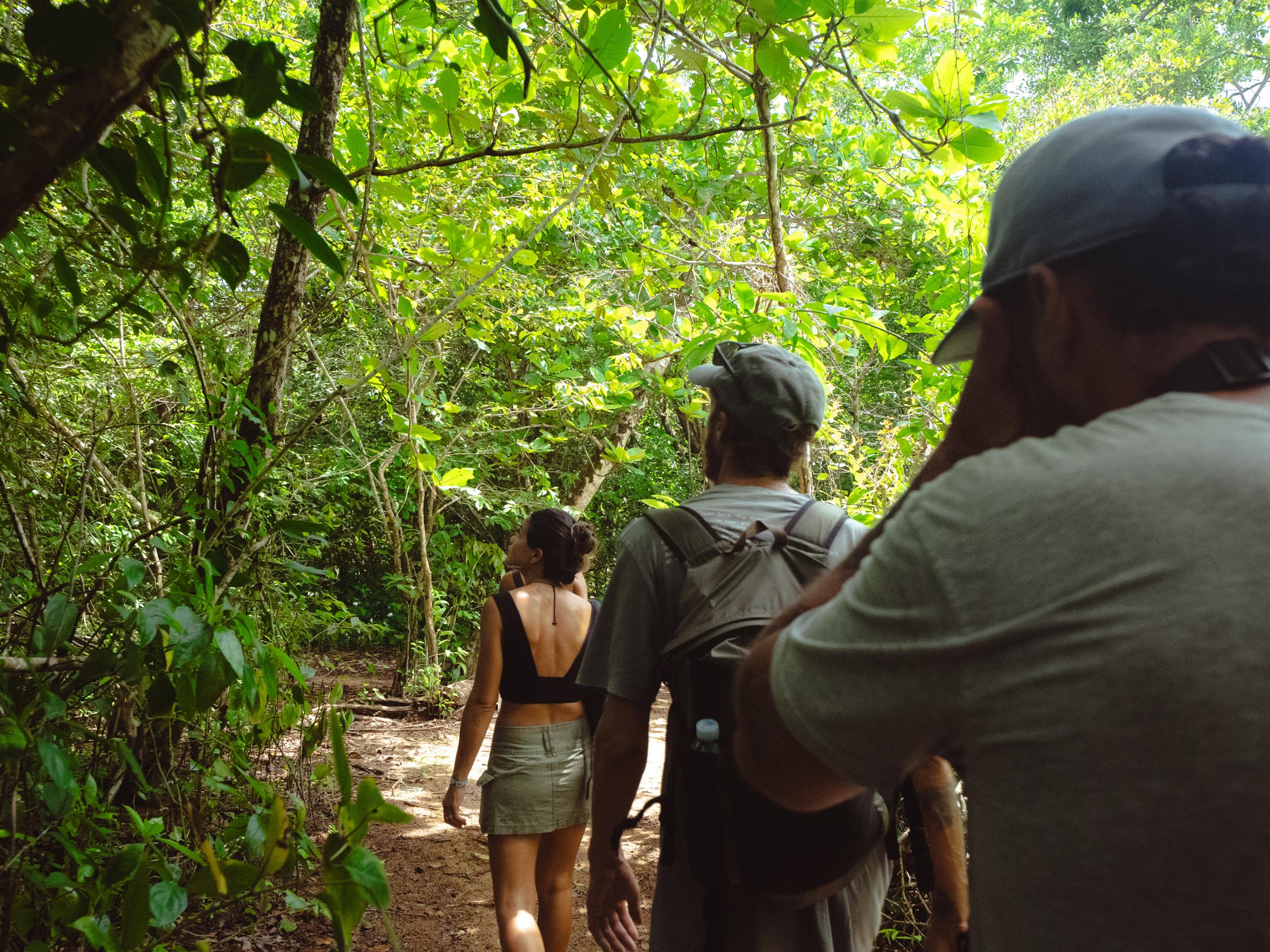
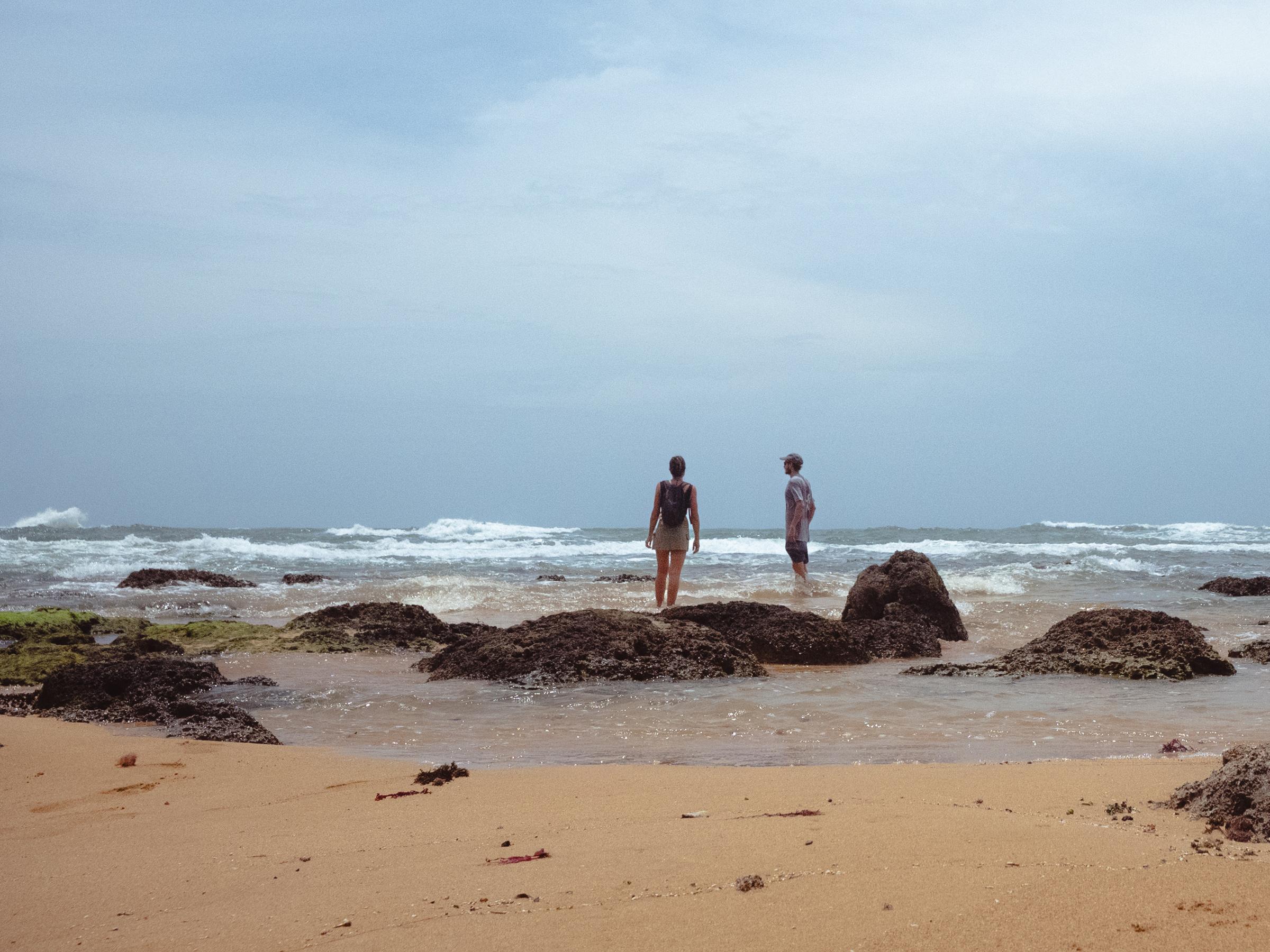
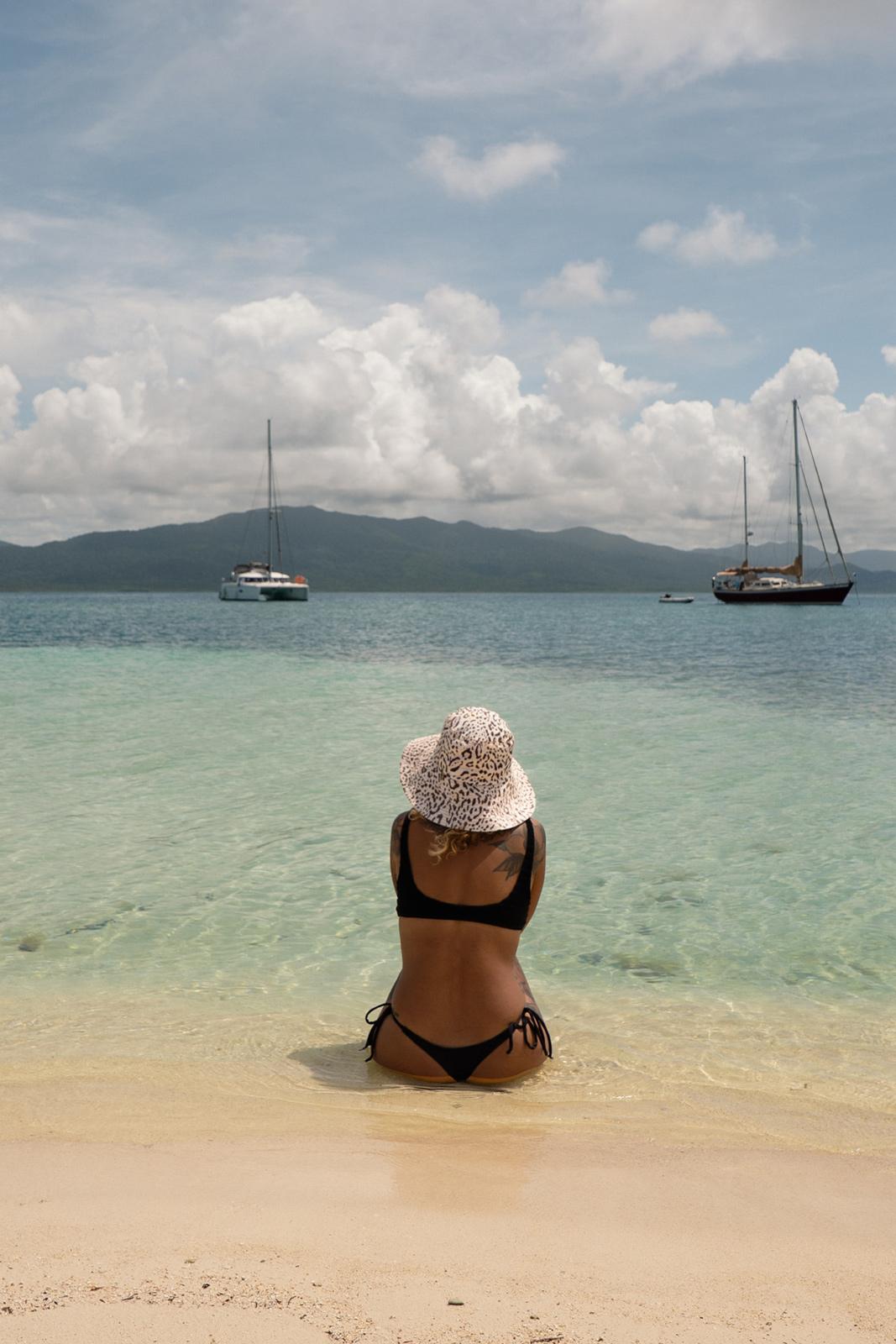
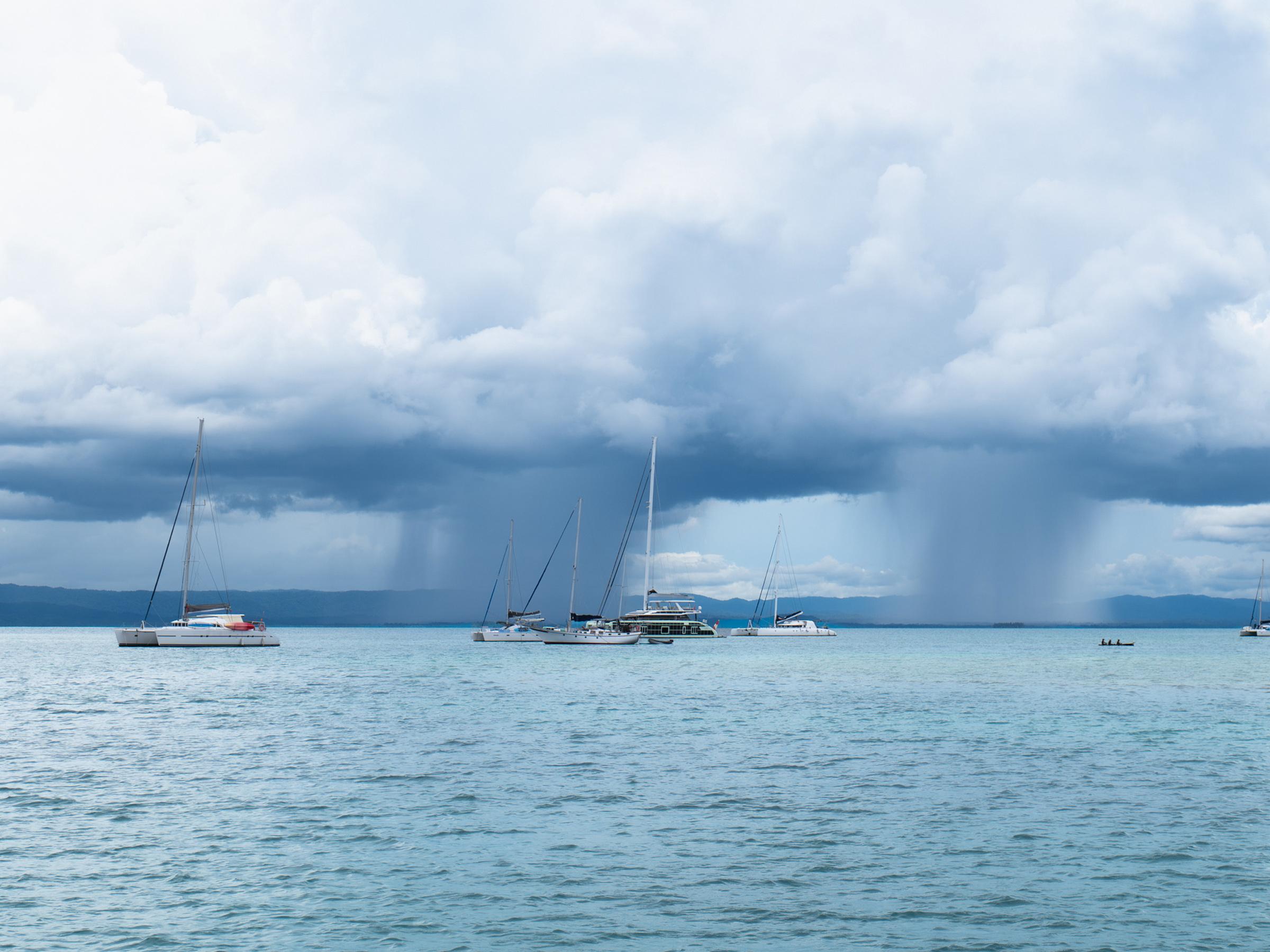
San Blas (Guna Yala), on the other hand, operates on a totally different microclimate. Here, the mainland mountains are much lower, and the island chain stretches out as a flat, coastal archipelago. Weather systems don't get trapped against high peaks. Instead, rain here comes mostly in localized tropical showers driven by daytime heat. These clouds roll in, drop their rain quickly, and clear out just as fast, leaving behind bright skies and calm conditions.
Passing showers vs. Long downpours (And the impact of El Niño)
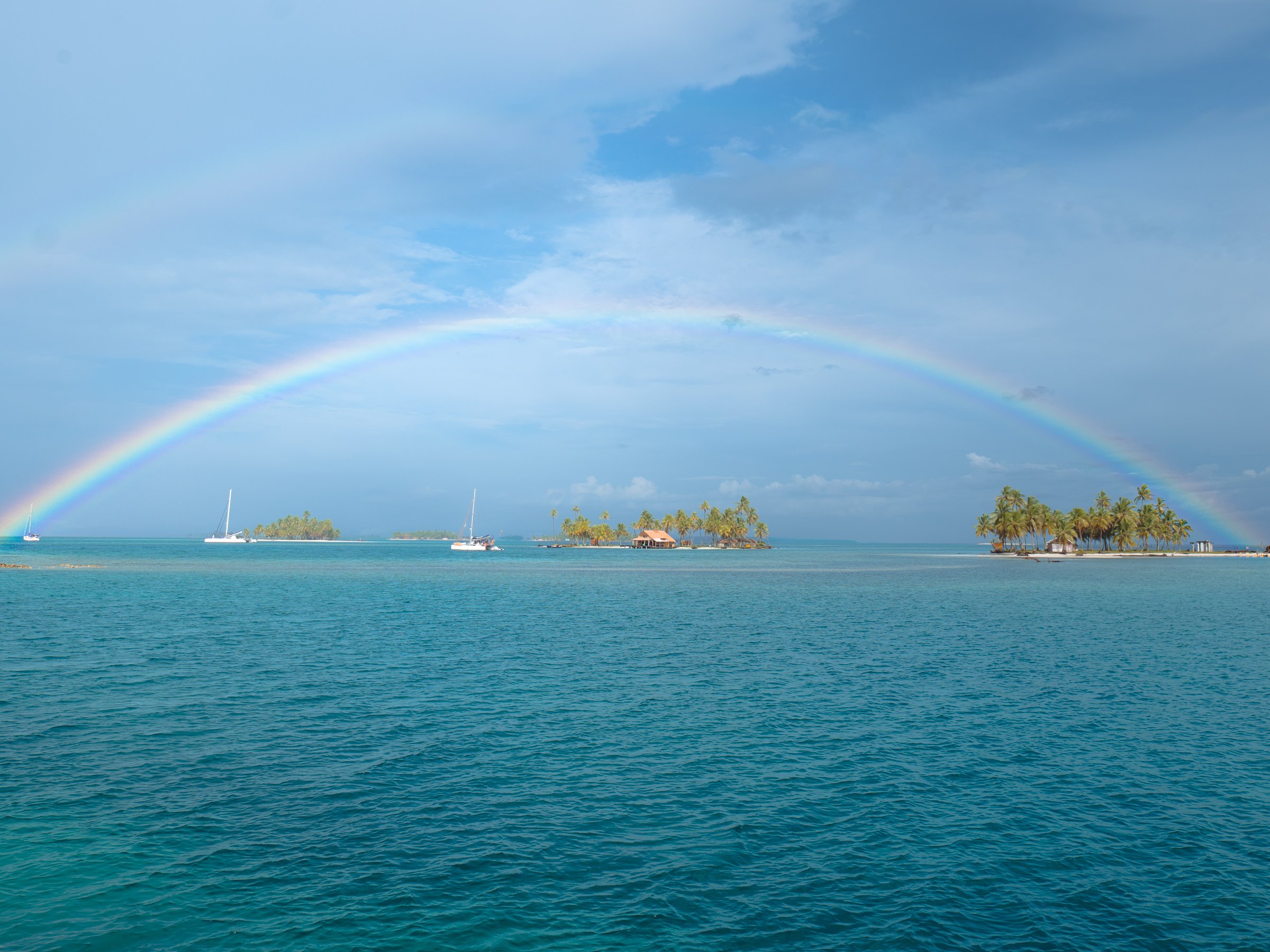
What we observe month after month and year after year is a very specific rhythm. In Guna Yala, it is quite common for mornings to open up overcast or grey, only for the sky to clear as the day progresses, bringing out intense sun and bright blue skies. If a rain shower does hit later in the day or during the night, it is usually a short 20 to 30-minute tropical shower that passes quickly, after which the sky opens right back up or stays peaceful.
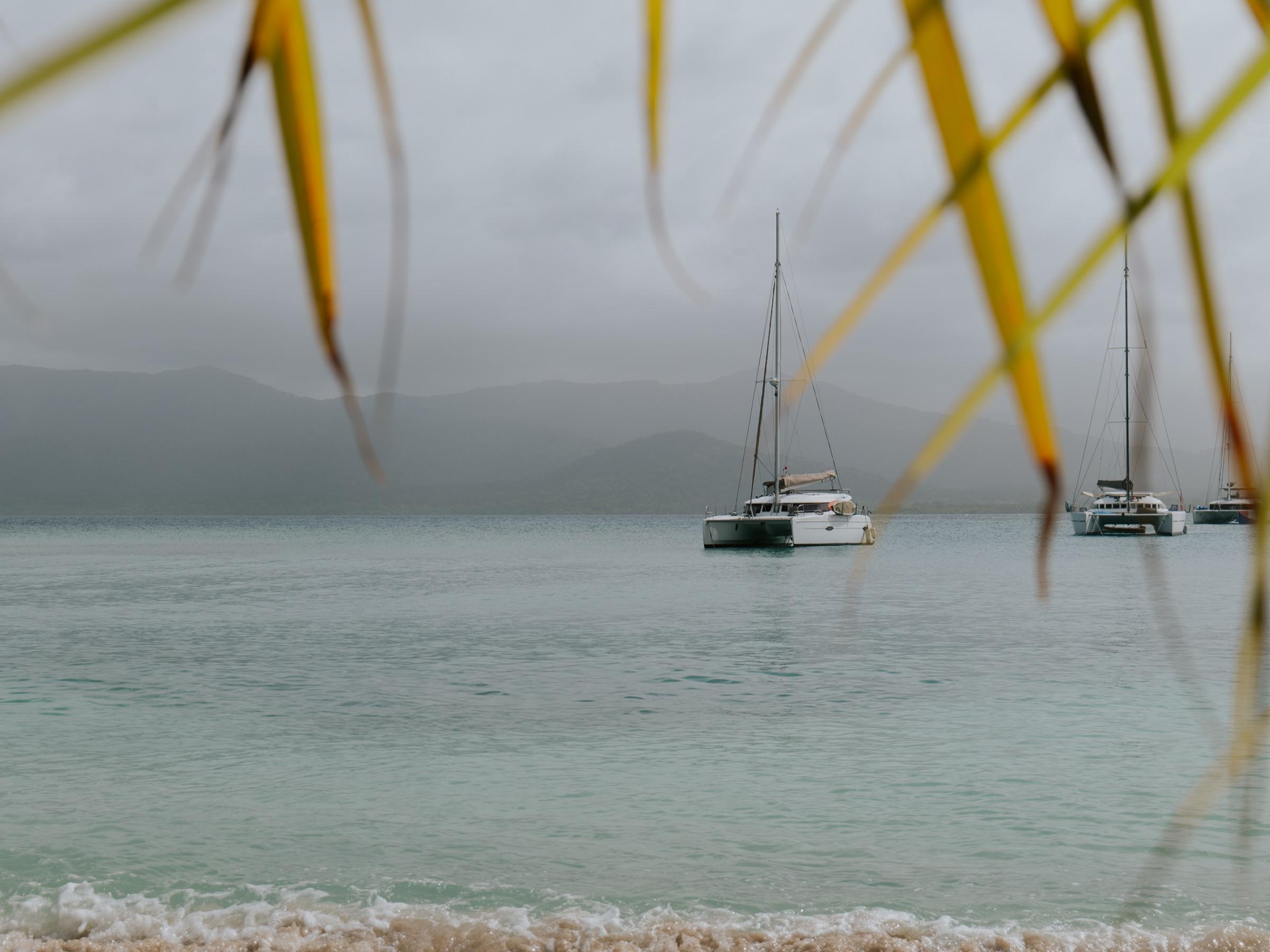
It is also worth noting how global weather cycles like El Niño directly affect rain patterns in Panama. During El Niño years, trade winds shift and overall atmospheric moisture decreases across the region, resulting in noticeably lighter rainfall and longer stretches of dry, sunny weather even in the middle of the official rainy season. This year, for example, we have seen far less rain than usual across Guna Yala.
Even during typical wet months, rain in San Blas remains largely episodic. You might get a quick, heavy shower during the day or overnight, and then go several days with clear weather or just light passing clouds. Unlike destinations where rain locks in for half a week, Guna Yala’s lower topography lets weather systems pass through rapidly so you can enjoy your time on the water.
Frequently Asked Questions
Does it rain every day during the rainy season in San Blas?
Not necessarily. Passing tropical showers are common between May and November, but they usually last only 15 to 45 minutes—often developing during the afternoon or overnight—and are followed by long stretches of sunshine.
Is the sea rough in San Blas during the rainy season?
No, quite the opposite. The rainy season (May to November) brings lighter winds and much calmer, flatter seas compared to the windy dry season (January to April). The waters inside the reef remain smooth and easy to navigate.
What happens if it rains during our trip?
Since rain showers in Guna Yala pass quickly, daily activities like visiting local islands, snorkeling, and kayaking usually continue with minimal delay. Passing clouds also offer a welcome break from the intense tropical heat.
Why is San Blas safe from major tropical storms?
Panama is located south of the Atlantic hurricane belt. Guna Yala does not experience hurricanes or major tropical storms, making it a safe, peaceful destination at any time of the year.
How does El Niño affect the weather in Guna Yala?
El Niño years generally bring drier conditions and below-average rainfall to Panama. During these periods, travelers can expect even more sunny days and fewer rain showers throughout the rainy season.