Where mangrove ecology meets

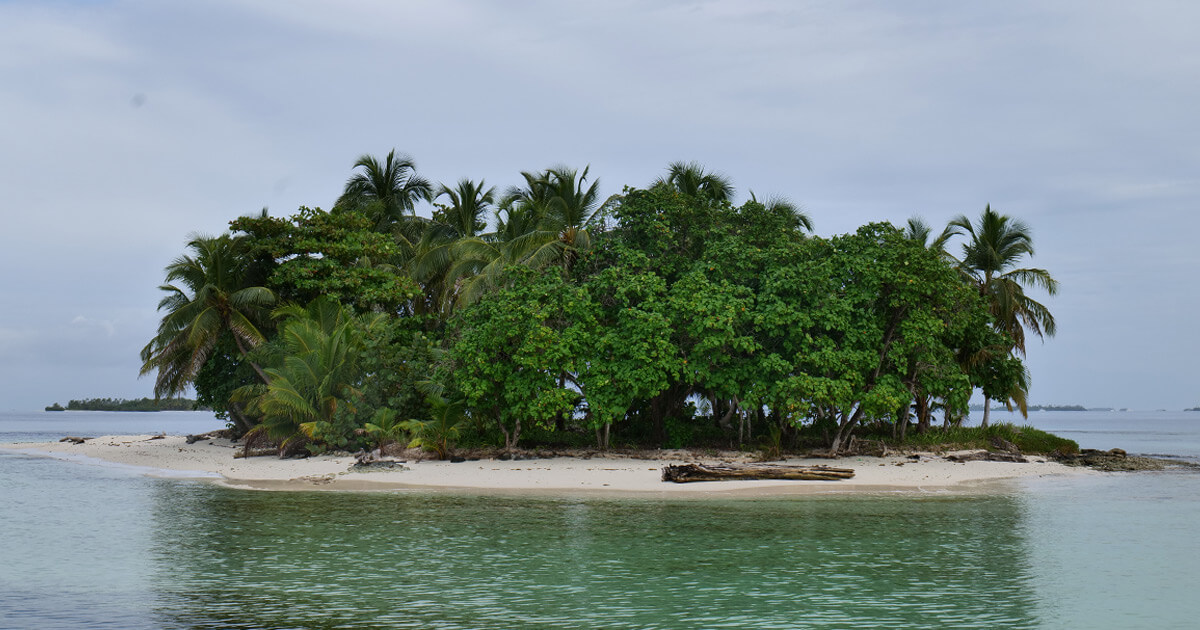
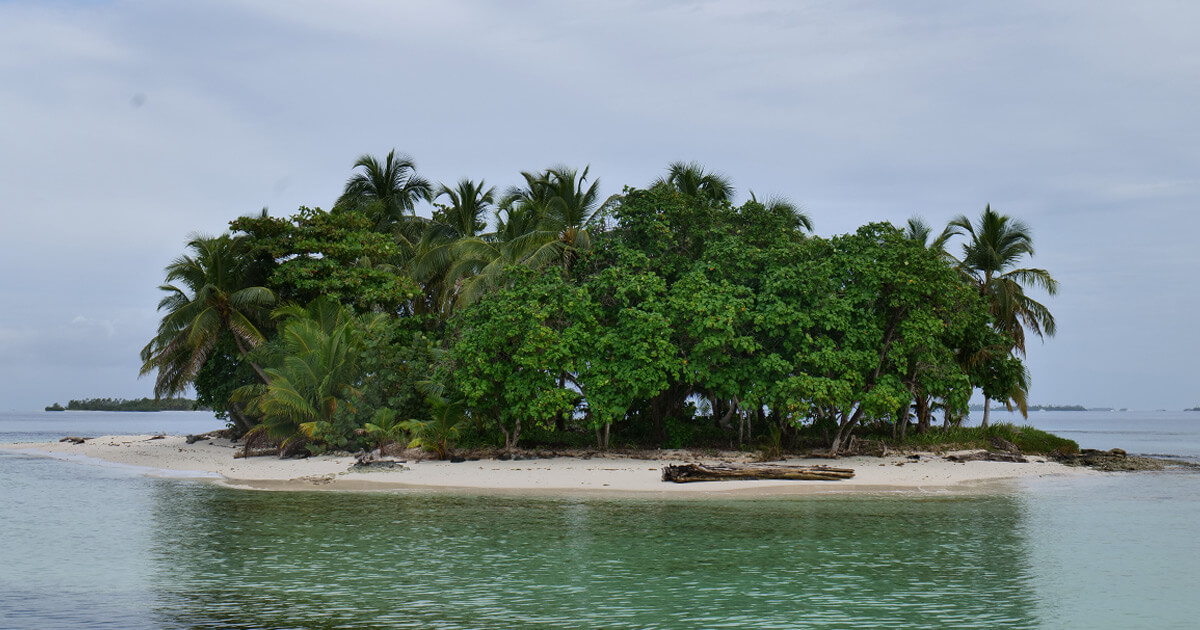
Most people first hear about the San Blas Islands because of the photos: white sand, turquoise water, and tiny palm-covered islands that look almost unreal.
But once you actually travel through the archipelago, you quickly realize that San Blas is much more than beautiful beaches.
It’s a living coastal ecosystem where nature and culture have evolved together for generations. Mangroves protect the islands, coral reefs support marine life, and coconut groves shape everyday life for the Guna people who live here.
Many travelers discover this side of San Blas while sailing between islands or joining multi-day trips through the archipelago. Moving slowly across the water reveals something that photos rarely show: San Blas is not just a destination — it’s an entire natural system.
Mangroves: The hidden guardians of San Blas
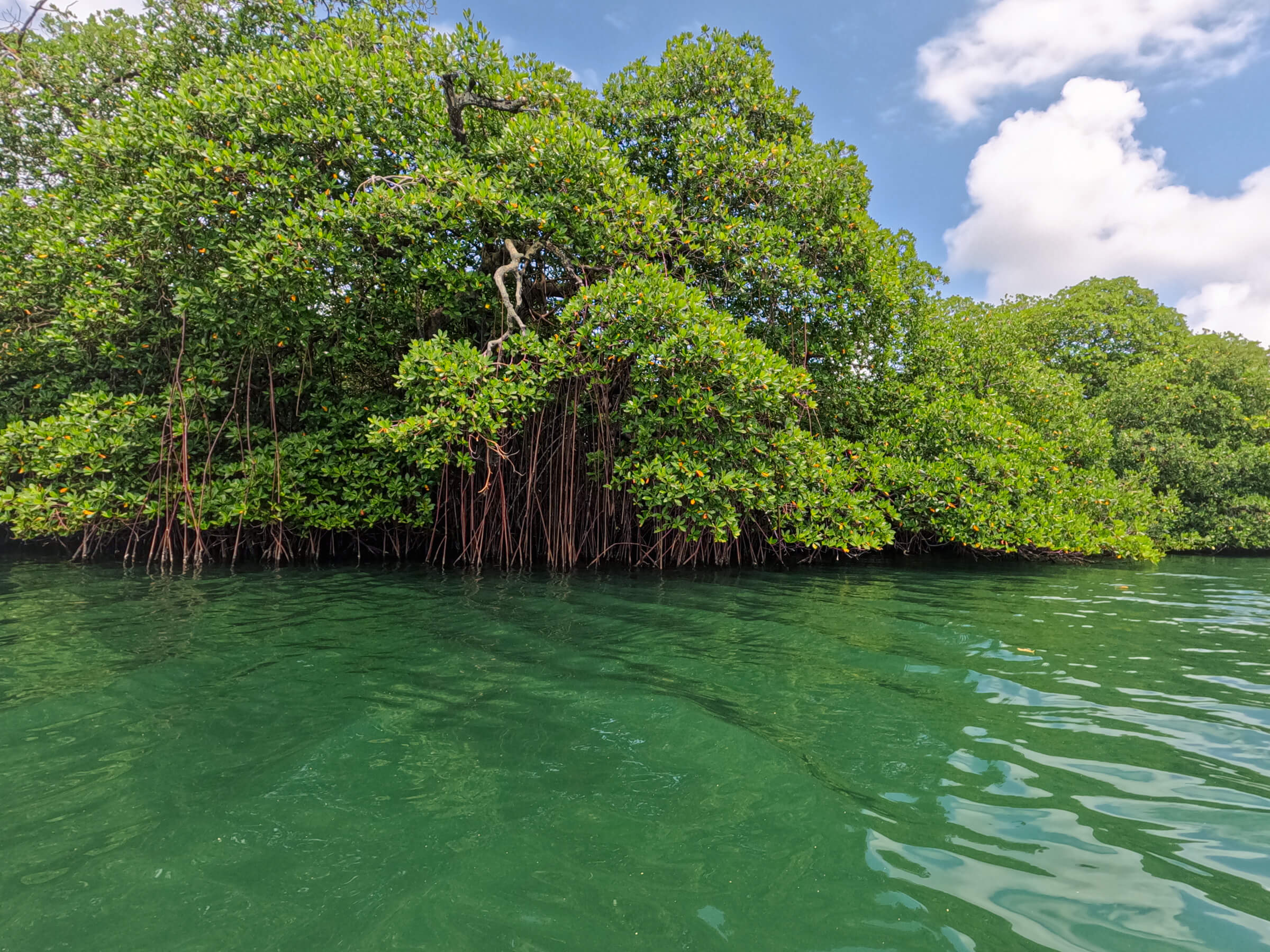
Mangroves grow along the edges of many islands and in shallow lagoons. Their tangled roots trap sediment and help stabilize the fragile sandy shores.
In an archipelago where many islands sit only a few meters above sea level, these trees play a critical role. Without mangroves, erosion and storms would affect many islands much more quickly.
They also create natural nurseries for marine life. Small fish, crabs, and countless other species grow safely among the roots before moving into nearby coral reefs.
For the Guna people, these ecosystems are closely connected to traditional fishing and everyday life on the islands.
What you notice when traveling between islands
One of the most interesting things about exploring San Blas by boat is how the landscape changes constantly.
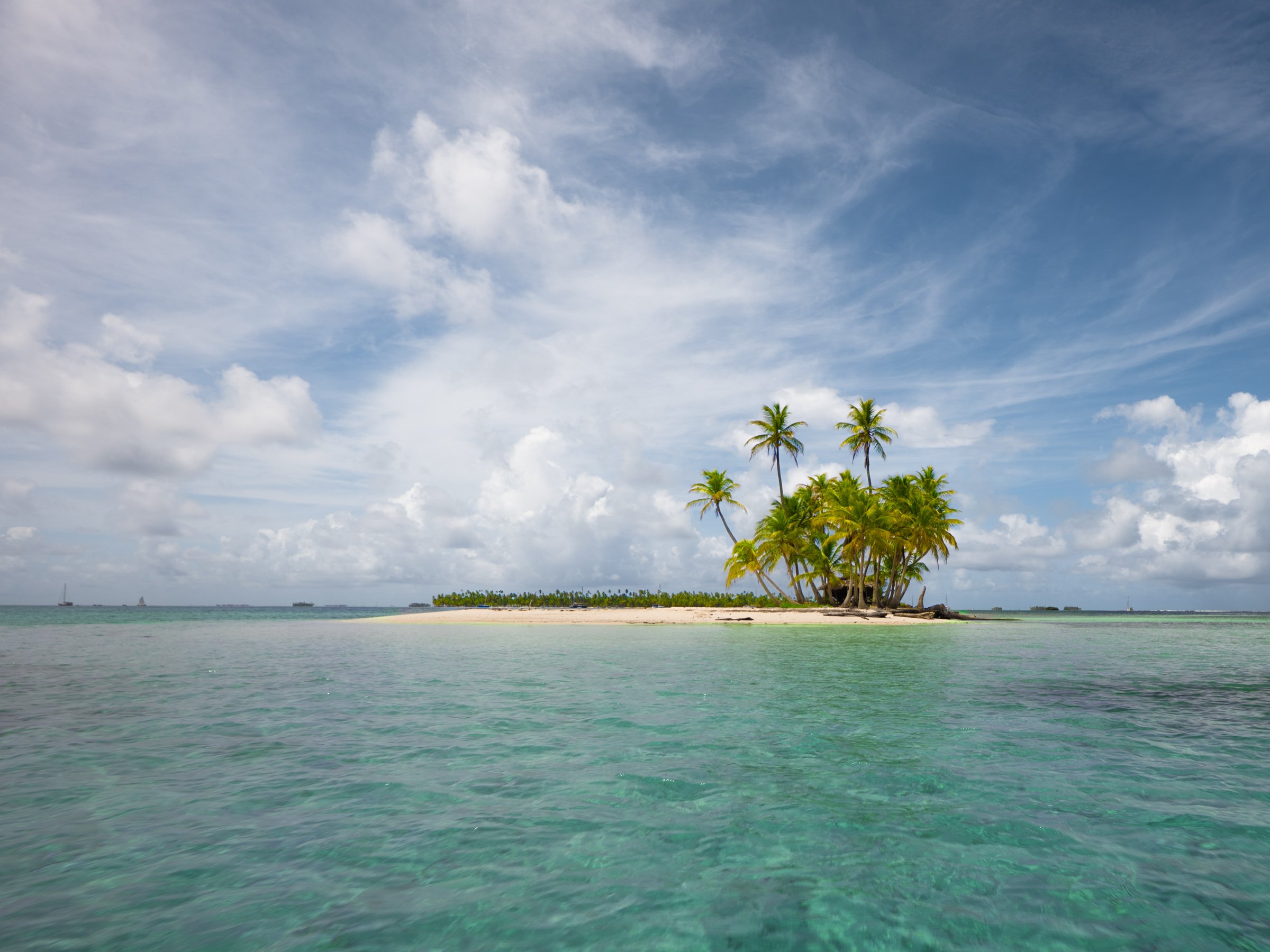
In one moment you're anchored near a tiny white-sand island. An hour later you're passing through narrow mangrove channels or quiet lagoons where the water becomes incredibly calm.
These areas often feel very different from the open sea. Birds nest in the mangrove branches, fish swim through the roots, and the entire environment feels peaceful and protected.
Travelers who explore the archipelago with experienced crews, like those working with Go San Blas, often get to see these quieter corners of San Blas that most day visitors never reach.
And it’s usually here that people begin to understand that San Blas is not just a collection of pretty islands, it’s a complex natural environment.
Why coconut palms are everywhere in San Blas
Another thing that quickly stands out in the San Blas Islands is the number of coconut palms.
Almost every island seems to be covered with them.
Interestingly, coconuts are not originally native to this region. The species Cocos nucifera likely arrived centuries ago through ocean currents and later through historical trade routes.
Over time, the Guna people integrated coconut cultivation into their daily life and economy.
Today coconut palms are not just part of the scenery — they are part of the cultural identity of the islands.
Coconut groves and daily Iisland life
When traveling through the archipelago, it’s common to see coconut palms growing just meters from the water.
For generations, families across the San Blas Islands have managed coconut groves on different islands.
Coconuts provide food, materials, and historically served as an important product in local trade.
Sometimes visitors see families collecting coconuts or transporting them between islands using traditional wooden canoes known as cayucos.
These small everyday moments offer a glimpse into a way of life that remains closely connected to the natural resources of the islands.
The curious story of the “Coco Boats”
One detail that surprises many travelers is the presence of vessels known locally as coco boats.
These boats (often coming from Colombia) travel through parts of the archipelago purchasing coconuts directly from island communities.
This maritime trade has existed for generations and still continues today.
Along with fishing, mola textile production, and small-scale tourism, it remains one of the ways local communities participate in the regional economy.
San Blas is beautiful. But it’s Also fragile
Like many island regions in the Caribbean, the San Blas Islands face environmental challenges.
Coastal erosion and changing weather patterns affect low-lying islands throughout the region.
Coconut cultivation continues to be an important source of stability for many families. Some small projects, supported by Panama’s Ministry of Agricultural Development of Panama, help communities produce coconut oil and other products to diversify income.
Maintaining the balance between tourism, culture, and fragile ecosystems is an ongoing challenge for the region.
Experiencing the real San Blas
For travelers, the beauty of the San Blas Islands is not only about perfect beaches.
It’s about the experience of moving between islands, discovering mangrove channels, and seeing how people live in one of the Caribbean’s most unique Indigenous regions.
Exploring the archipelago slowly (especially on multi-day sailing trips) often reveals the deeper character of San Blas.
Many visitors traveling with experienced operators such as Go San Blas say this is when they truly begin to understand the islands.
The landscape, the culture, and the rhythm of life here are all connected.
Mangroves, coconuts and the identity of Guna Yala
In Guna Yala, nature and culture cannot really be separated.
- Mangroves protect the islands.
- Coral reefs sustain marine life.
- Coconut groves support local livelihoods.
Together they form the foundation of life in the San Blas Islands, a place where natural systems and cultural traditions continue to shape one of the most unique destinations in the Caribbean.
FAQs About nature and culture in the San Blas islands
Why are mangroves important in San Blas?
Mangroves protect the islands from erosion and provide nursery habitats for many species of fish and marine life.
Are coconut trees native to the San Blas Islands?
No. Coconut palms arrived centuries ago through ocean currents and trade routes but became an essential part of life for the Guna people.
Can visitors see mangroves while traveling in San Blas?
Yes. Mangrove forests are common throughout the archipelago and are often visible when boats travel between islands.
Why are coconut palms so common in San Blas?
Coconut groves have been cultivated for generations and provide food, materials, and income for local communities.